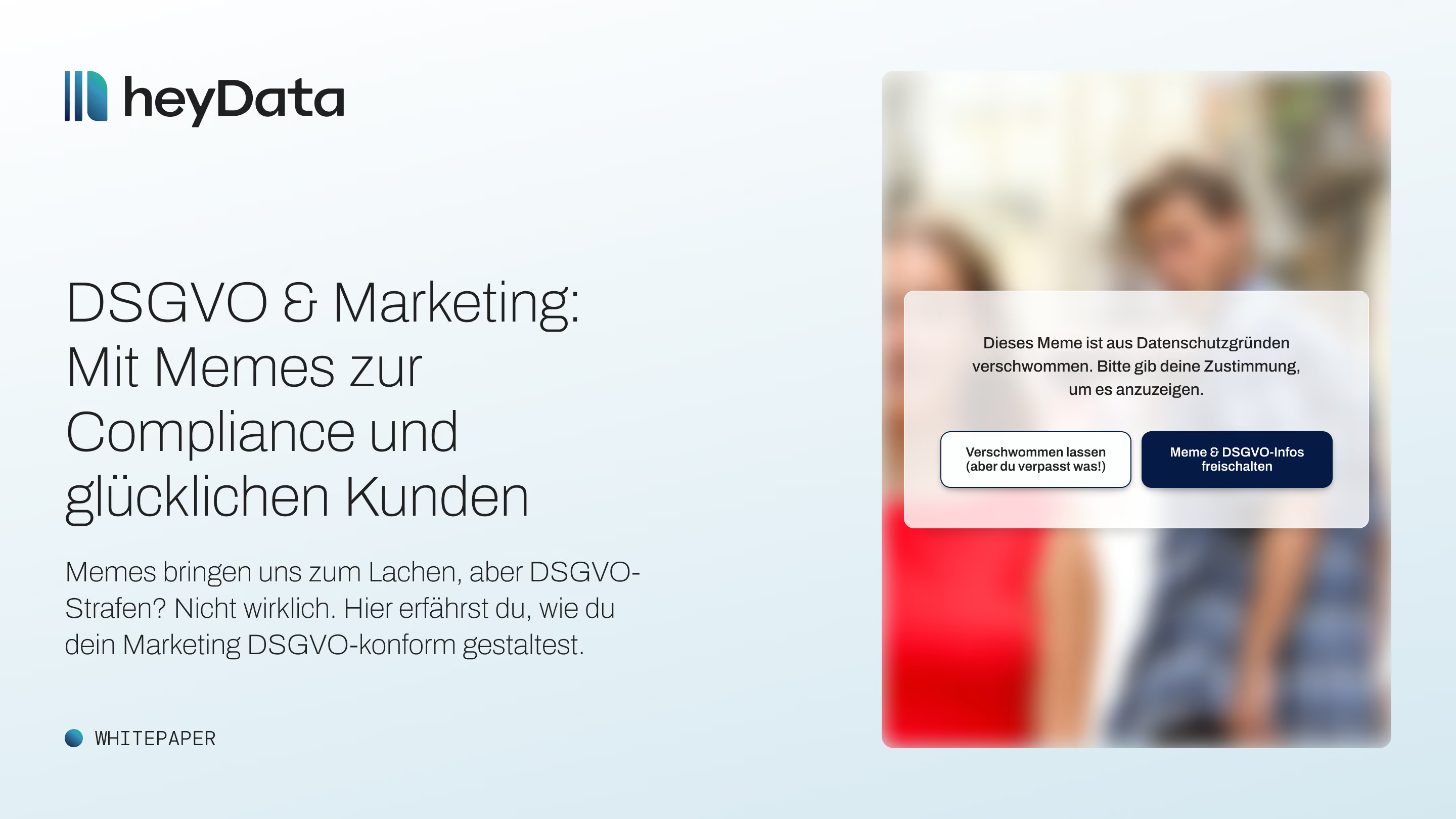

Why Data Protection Belongs at the Heart of Your Marketing Strategy
Marketing runs on data. Website tracking, newsletters, forms, CRM systems, and personalized content help you understand your audience better and reach them with more relevant messaging. At the same time, every data source adds responsibility.
A privacy policy alone isn't enough. Companies must obtain consent in a verifiable way, respect cookie choices, process data sparingly, and carefully vet the marketing tools they use. Neglecting these basics risks not only legal consequences but also a loss of customer trust.
Done right, data protection doesn't limit creative marketing. Transparent processes, clear communication, and genuine choices can even strengthen your relationship with your audience.
What This Whitepaper Covers
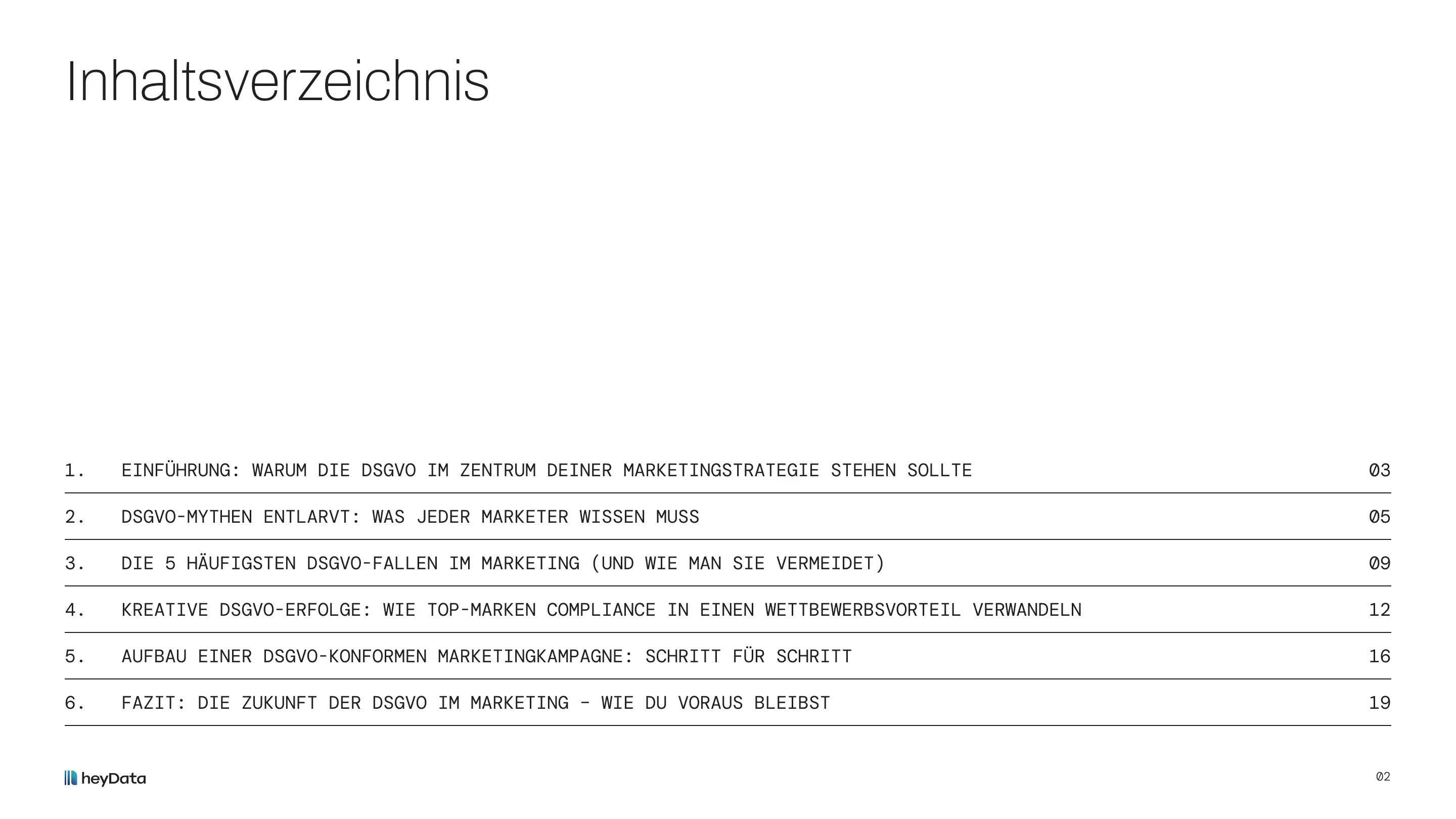
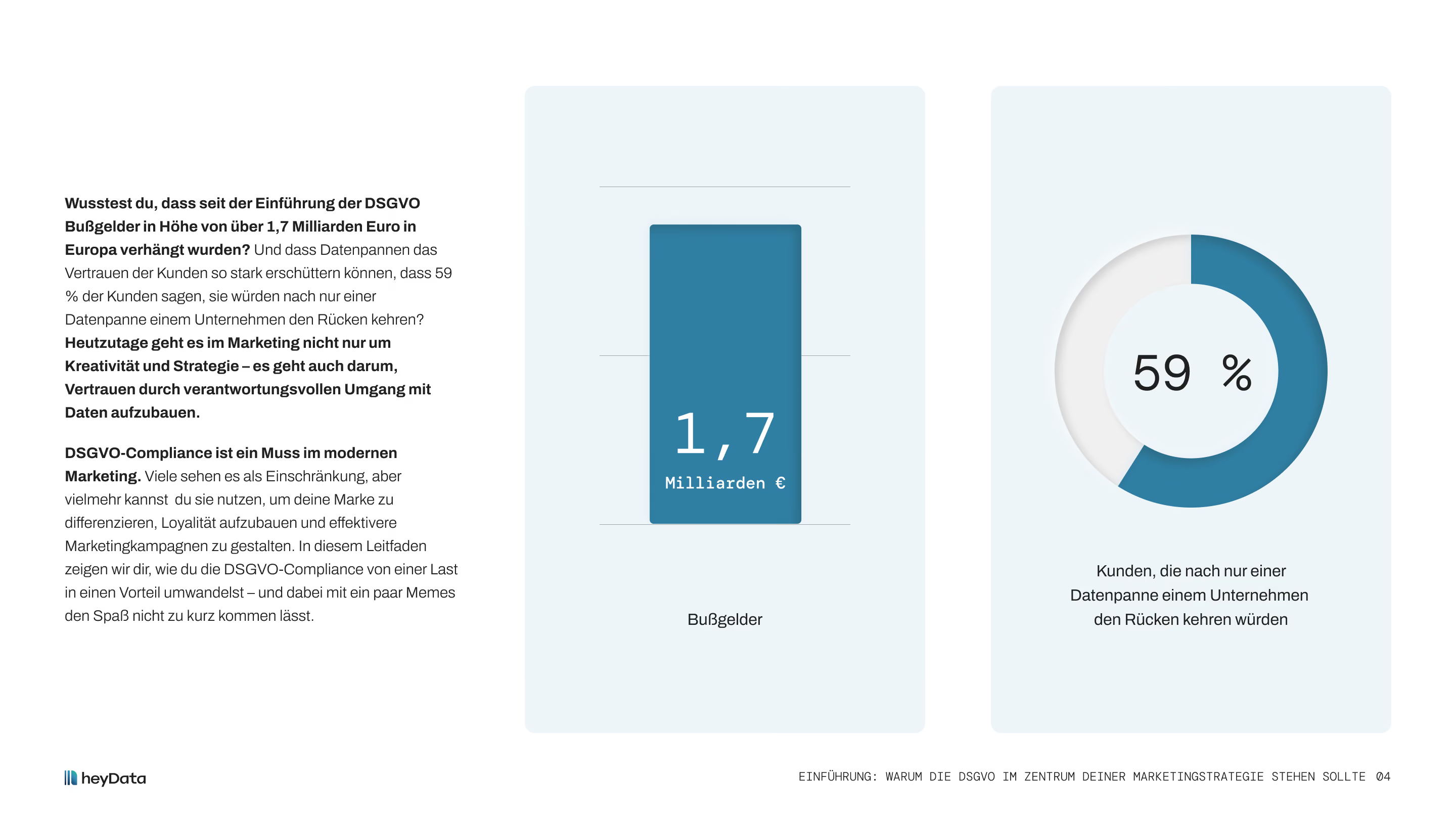
- Chapter 1: Why GDPR belongs in marketing — data protection as the foundation of trust and customer loyalty
- Chapter 2: The biggest GDPR myths — personalization, cookies, and the limits of a privacy policy
- Chapter 3: The five most common GDPR pitfalls — over-personalization, flawed cookie banners, too much data, outdated consent, and unvetted third parties
- Chapter 4: Communicating data protection creatively — what marketing teams can learn from successful brands
- Chapter 5: The GDPR-compliant campaign — data flows, consent, data minimization, transparent content, and ongoing checks
- Chapter 6: Data protection as a competitive advantage — how compliance strengthens brand trust and long-term loyalty
"Good data protection marketing doesn't feel like bureaucracy. It creates clarity, choice, and trust."
Who Is This Whitepaper For?
This guide is aimed at marketing leads, performance marketing teams, CRM managers, content teams, agencies, and data protection officers who want to make data-driven campaigns safer.
It's especially helpful for teams using newsletters, tracking tools, personalized content, or external marketing platforms.

Download the Complete GDPR Marketing Guide
21 pages of practical insights on consent, tracking, personalization, third-party vendors, and building GDPR-compliant campaigns.

Conclusion
GDPR-compliant marketing starts with transparency. Customers need to understand which data is processed, what it's used for, and which choices they have.
That requires clear consent, lean forms, vetted tools, and ongoing monitoring of data processing. It's equally important that marketing promises and actual processes match.
Communicating data protection creatively and clearly not only reduces risks but also strengthens trust, brand loyalty, and the quality of your campaigns.