Why Data Protection Matters for Start-ups From Day One
Especially in the early growth phase, personal data is processed every day: through websites, newsletters, CRM systems, cloud tools, job applications, or customer support. If you only address data protection once a major customer, investor, or supervisory authority asks about it, you'll often have to fix processes and catch up on documentation under time pressure.
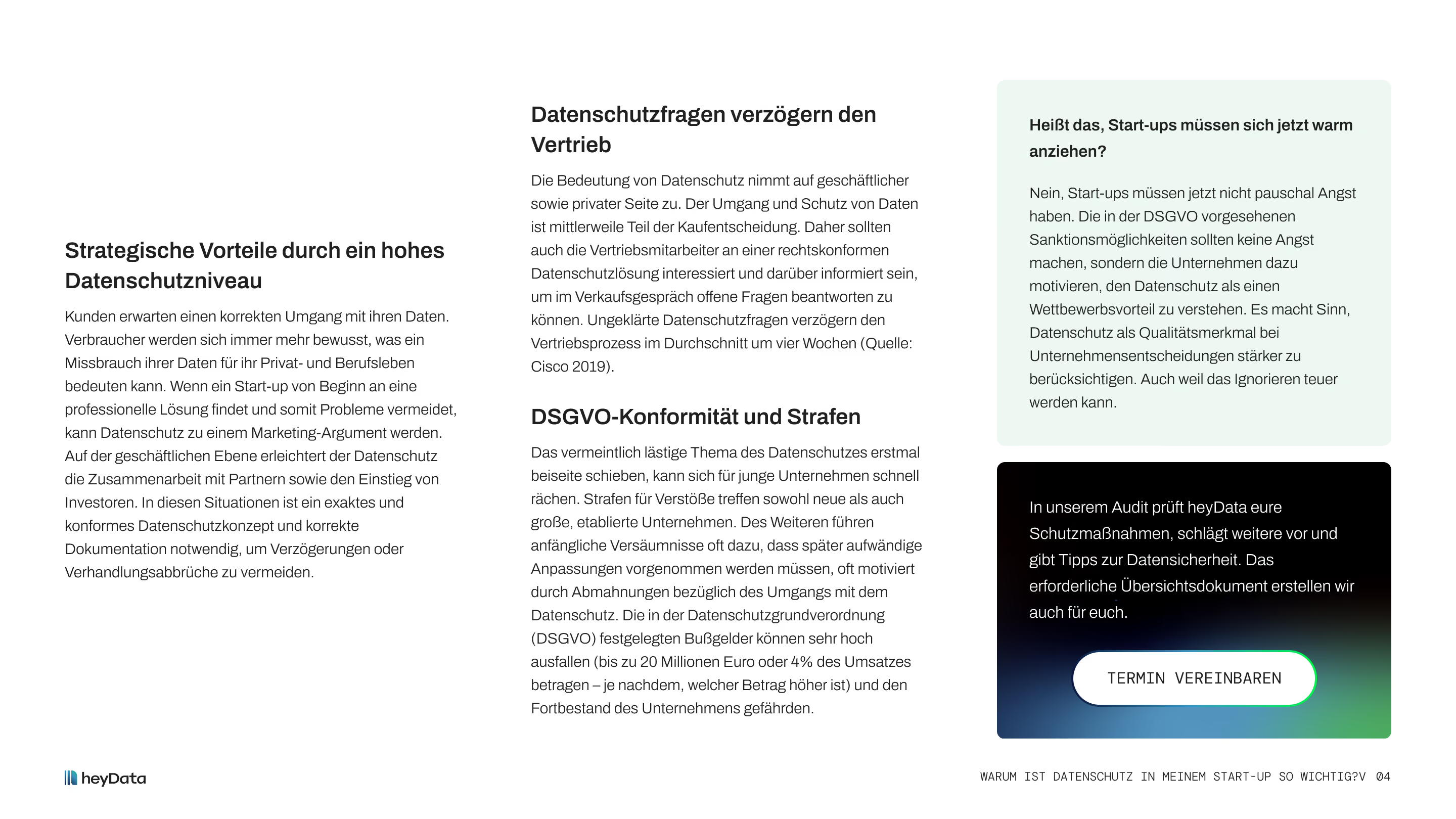
Handling data professionally does more than protect you from violations and fines. It builds trust and can accelerate decisions. Customers, business partners, and investors expect transparent processes, secure systems, and clear responsibilities. Data protection thus becomes a mark of quality that makes your start-up more competitive in the long run.
What This Whitepaper Covers
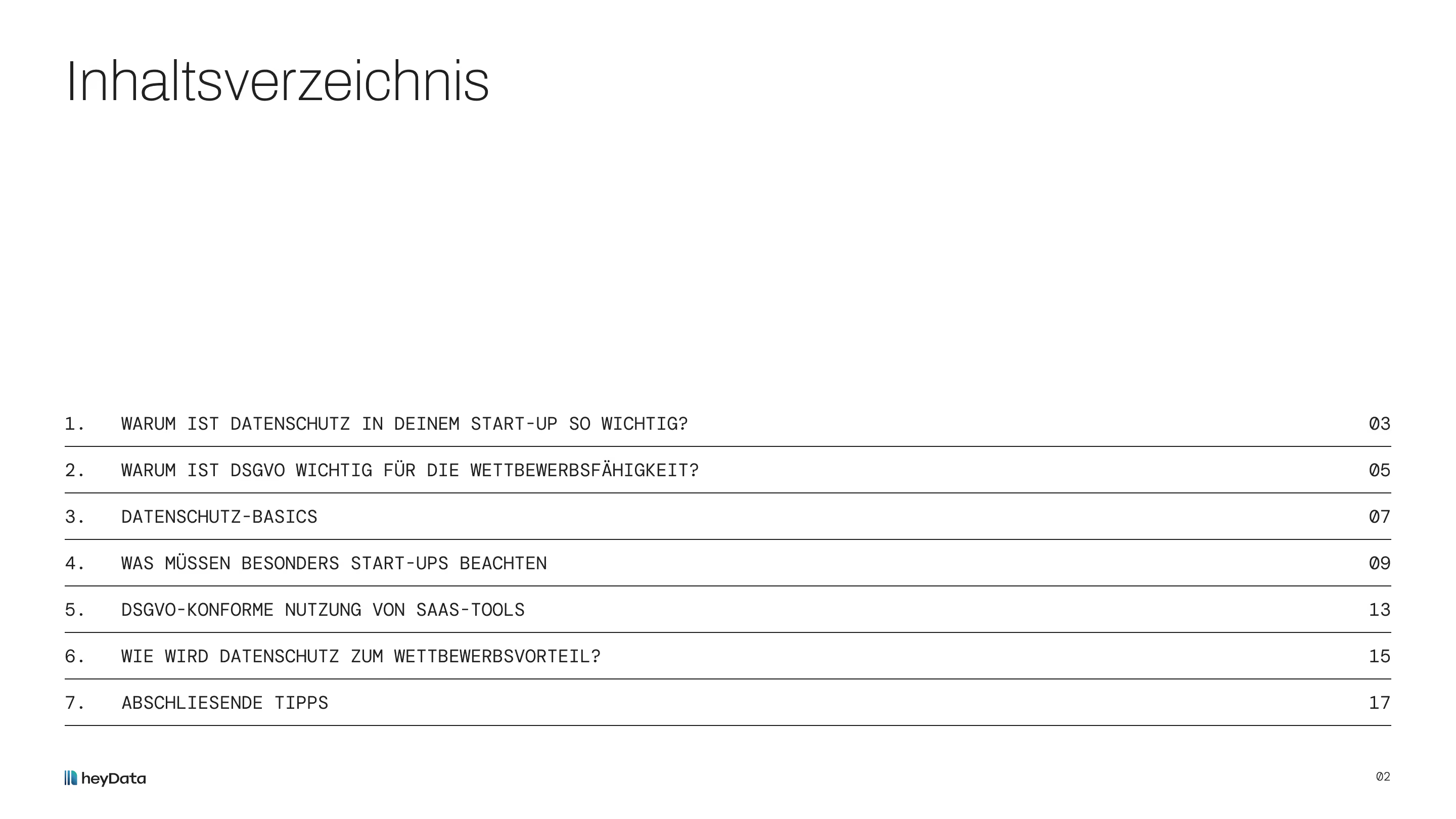
- Chapter 1: Data Protection as a Success Factor — Why a high level of data protection builds trust and simplifies sales processes
- Chapter 2: Data Protection and Competitiveness — How responsible data handling influences your reputation and purchase decisions
- Chapter 3: The Most Important Data Protection Basics — Personal data, GDPR fundamentals, and website requirements
- Chapter 4: Special Obligations for Start-ups — Data protection officers, mobile devices, cloud usage, and external service providers
- Chapter 5: GDPR-Compliant SaaS Usage — What to look for in tool selection, data processing, and international providers
- Chapter 6: Data Protection as a Competitive Advantage — Employee training, IT security, server locations, deletion concepts, and transparent communication
- Chapter 7: Concrete Tips for Everyday Operations — Practical measures you can start with right away
"Data protection doesn't slow down growth. It creates the foundation for your start-up to scale securely, credibly, and sustainably."
Who Is This Whitepaper For?
This guide is aimed at founders, managing directors, operations leads, IT leads, and compliance officers who want to build data protection in their start-up in a structured way or improve existing processes.
You don't need any legal background. The content is explained in practical terms and helps you spot typical data protection risks early — from the use of private devices to SaaS providers to the question of whether your company needs a data protection officer.

Download the Full Guide Now
Practical data protection knowledge for start-ups — with concrete recommendations for tools, processes, IT security, and sustainable growth.

Conclusion
Data protection shouldn't only make it onto the agenda when a customer sends a security questionnaire, a funding round is approaching, or a problem has already occurred. If you establish clear responsibilities, secure processes, and clean documentation early, you avoid later rework and reduce unnecessary risks.
With structured data protection management, compliance turns from an obligation into a growth factor. You strengthen your customers' trust, simplify collaboration with partners, and create a resilient foundation for your start-up's next stages of development. The key question isn't whether you address data protection — it's how early you start.