Why Cyber Resilience in the Energy Sector Is Now a Top Management Priority
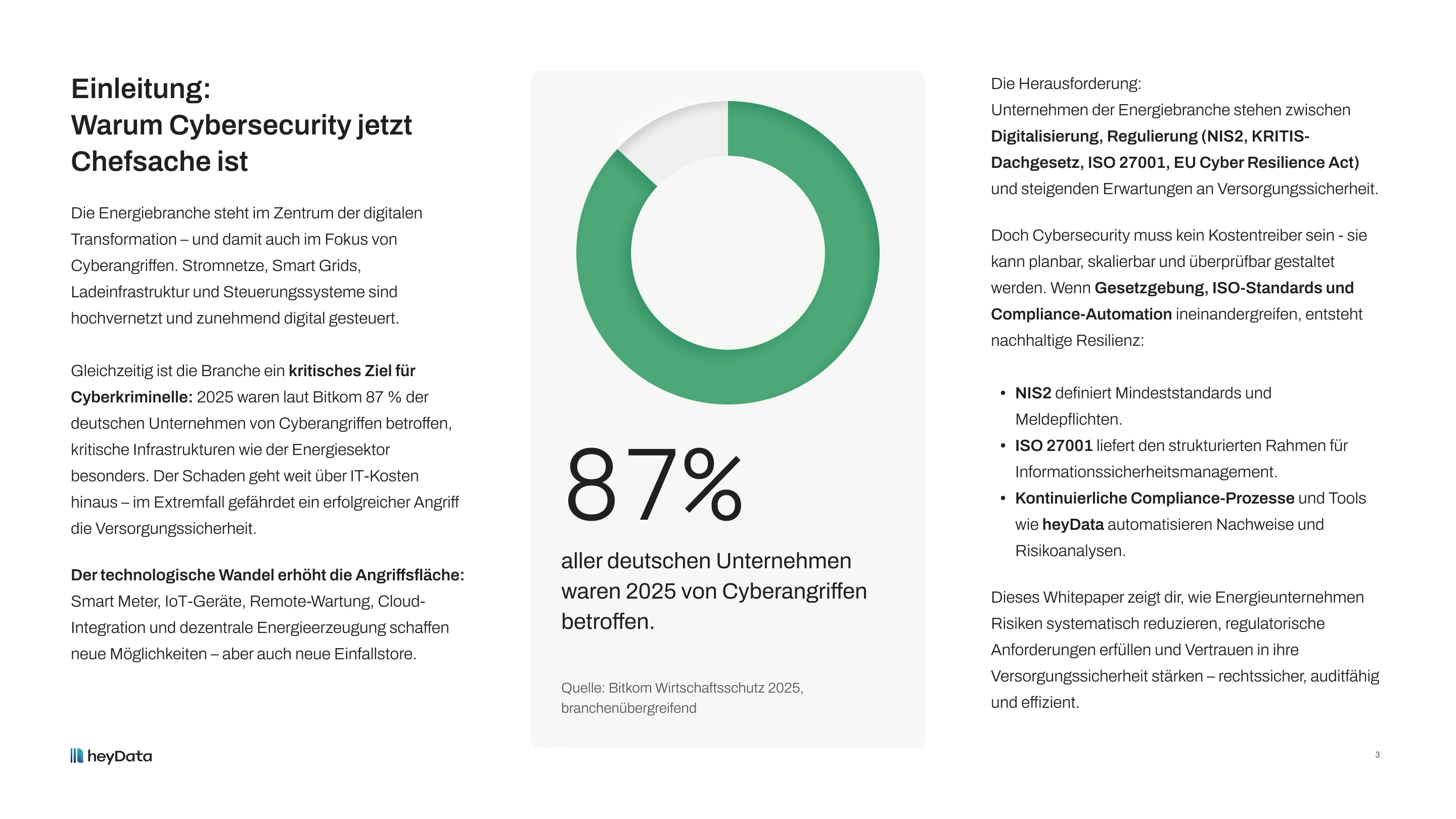
The energy sector is at the center of the digital transformation. Smart meters, IoT devices, remote maintenance, cloud connections, and decentralized energy generation make processes more efficient — but at the same time, they expand the potential attack surface.
A cyberattack on an energy provider affects more than just data or individual systems. It can disrupt operations, manipulate control processes, and, in the worst case, jeopardize security of supply. The close integration of traditional IT and operational technology is especially critical: if a vulnerability at this interface is exploited, an attack can quickly spread to control systems and critical assets.
That's why introducing individual security solutions isn't enough. Energy companies need a resilient overall system of technical safeguards, clear responsibilities, tested emergency processes, and a security culture that's actively practiced. NIS2 provides the regulatory framework, ISO 27001 delivers the structure, and automated compliance processes ensure traceable, audit-ready evidence.
What This Whitepaper Covers
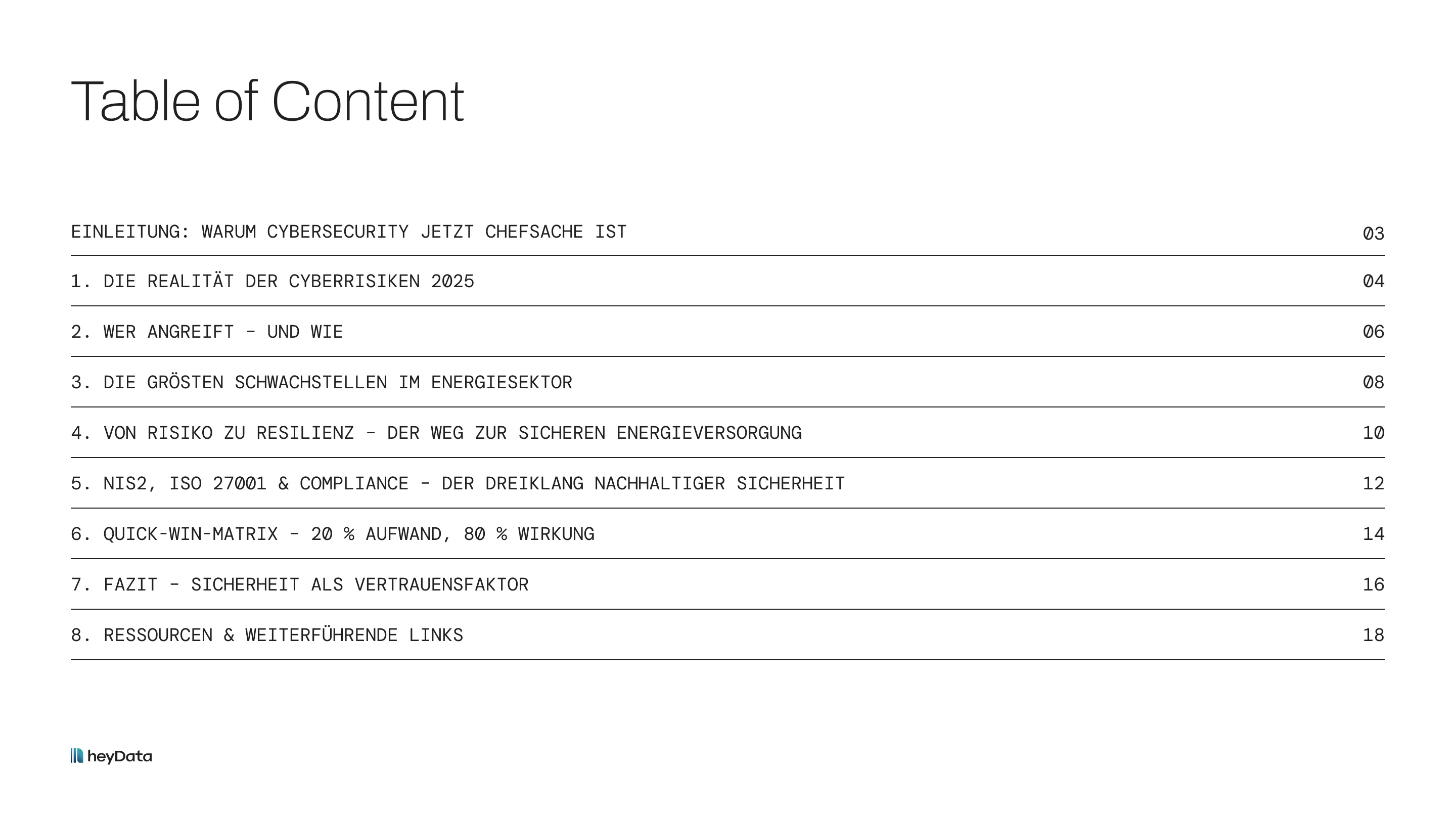
- Chapter 1: The reality of cyber risks — the ten biggest threats to energy companies, including ransomware, supply chain attacks, SCADA misconfigurations, and zero-day exploits
- Chapter 2: Who attacks — and how — cybercrime-as-a-service, state-sponsored groups, hacktivists, insiders, and typical attack chains
- Chapter 3: The biggest vulnerabilities in the energy sector — unclear responsibilities, the gap between IT and OT, a missing security culture, untested backups, and legacy systems
- Chapter 4: From risk to resilience — how technical, organizational, and cultural resilience work together
- Chapter 5: NIS2, ISO 27001, and compliance — how legal obligations, an ISMS, and automated evidence create a sustainable security organization
- Chapter 6: Quick-win matrix — high-impact measures with manageable effort, including MFA, network segmentation, restore tests, awareness, and monitoring
- Chapter 7: Security as a trust factor — why cyber resilience protects your supply, your brand, and the trust of authorities, partners, and customers
- Chapter 8: Resources and further reading — relevant standards, threat reports, and regulatory sources for the next steps
"Cyber resilience doesn't mean preventing every attack. What matters is detecting it early, responding in a controlled way, and restoring supply quickly."
Who Is This Whitepaper For?
This guide is aimed at managing directors, board members, CISOs, IT leads, OT managers, information security officers, compliance teams, and risk managers in energy companies.
The whitepaper is especially relevant for municipal utilities, grid operators, energy providers, charging infrastructure operators, companies with smart grid or smart meter environments, and IT and OT service providers in the energy sector.
Organizations reviewing their NIS2 readiness, building an ISMS in line with ISO 27001, or professionalizing their audit and evidence processes will also find clear guidance on the next steps.

Download the Complete Cyber Resilience Guide
20 pages of practical insights on cyber risks, IT/OT security, NIS2, ISO 27001, and effective quick wins — including concrete measures for greater security of supply.

Conclusion
Cyber resilience isn't an optional extra in the energy sector. It's a basic requirement for stable operations, security of supply, and the trust of the public, customers, and regulators.
The first step is transparency: companies need to know which systems are critical, how IT and OT are connected, and which access points, service providers, and dependencies create particular risks. Building on this, technical measures such as MFA, network segmentation, monitoring, and offline backups can be prioritized effectively.
Clear roles, coordinated escalation paths, and regularly tested emergency processes are just as important. An ISMS in line with ISO 27001 provides the necessary structure. NIS2 adds binding requirements for risk management, reporting obligations, and management responsibility. Finally, automated compliance processes ensure that progress and evidence remain traceable at all times.
Companies that review their status and risks now, implement quick wins, and organize compliance for the long term protect more than systems and data — they protect the reliable supply of energy itself.