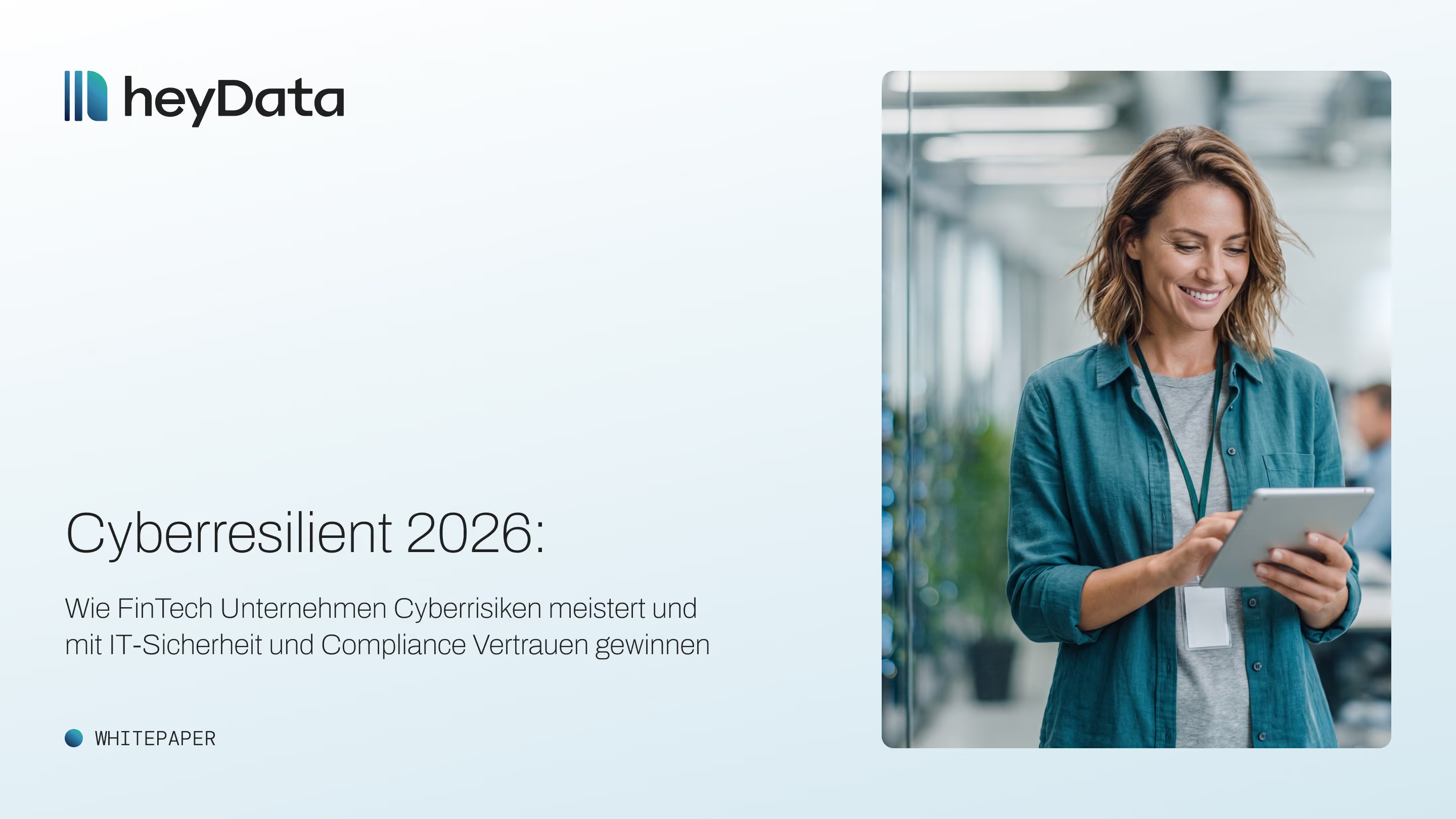
Why Cyber Resilience Is Now Critical for FinTechs
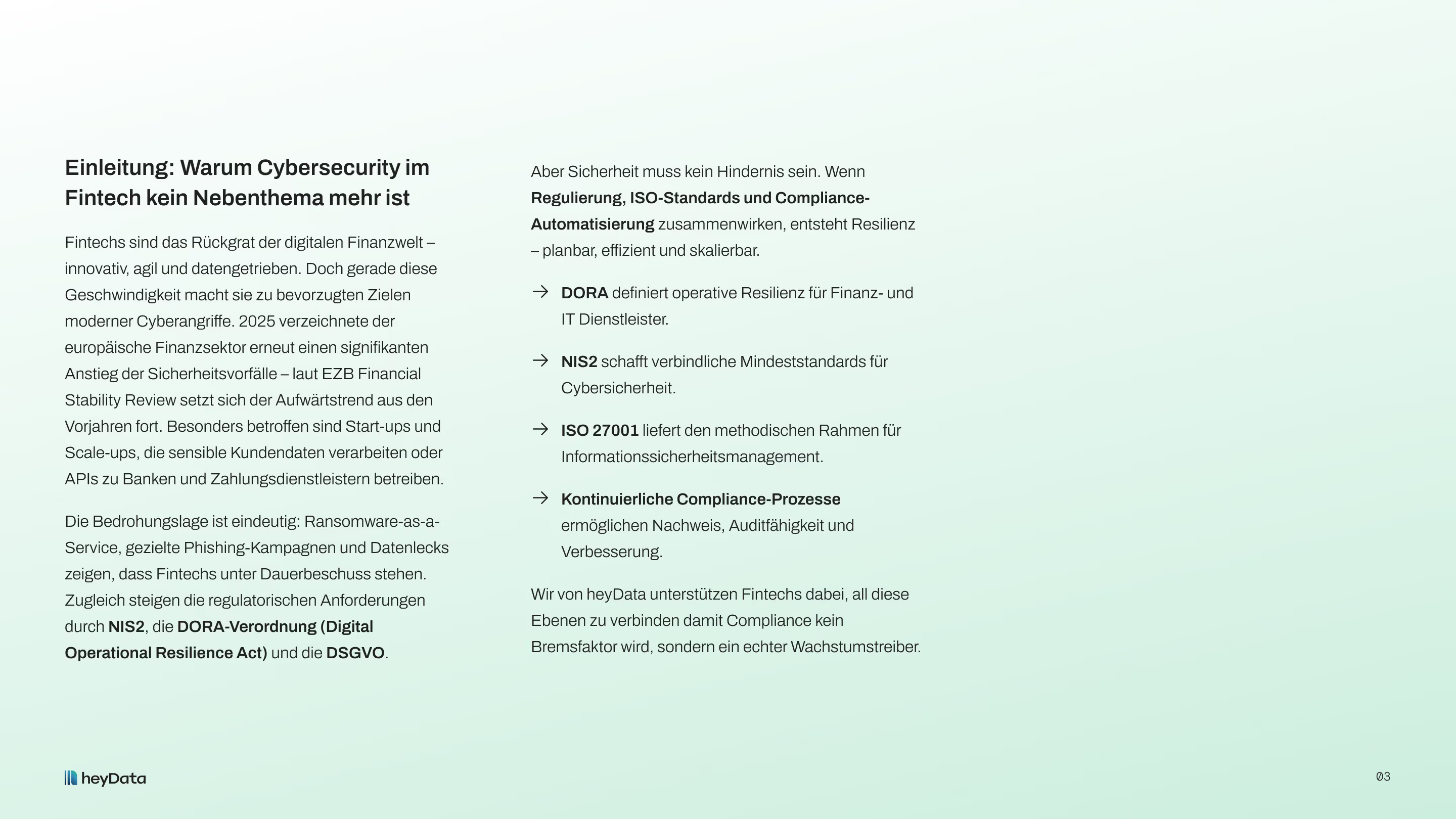
FinTechs combine speed, innovative technologies, and data-driven business models. Yet exactly these strengths also make them attractive targets for cybercriminals. Sensitive customer data, interfaces to banks, automated payment processes, and a heavy reliance on cloud and third-party providers expand the potential attack surface.
At the same time, implementing individual security measures is no longer enough. DORA and NIS2 require robust processes, clear responsibilities, tested emergency plans, and verifiable documentation. Cyber resilience therefore means staying operational even during an attack or disruption and restoring critical business processes quickly.
If you think about security, compliance, and automation together, you protect more than just data. You protect your business model, strengthen the trust of customers and partners, and create a resilient foundation for further growth.
What This Whitepaper Covers
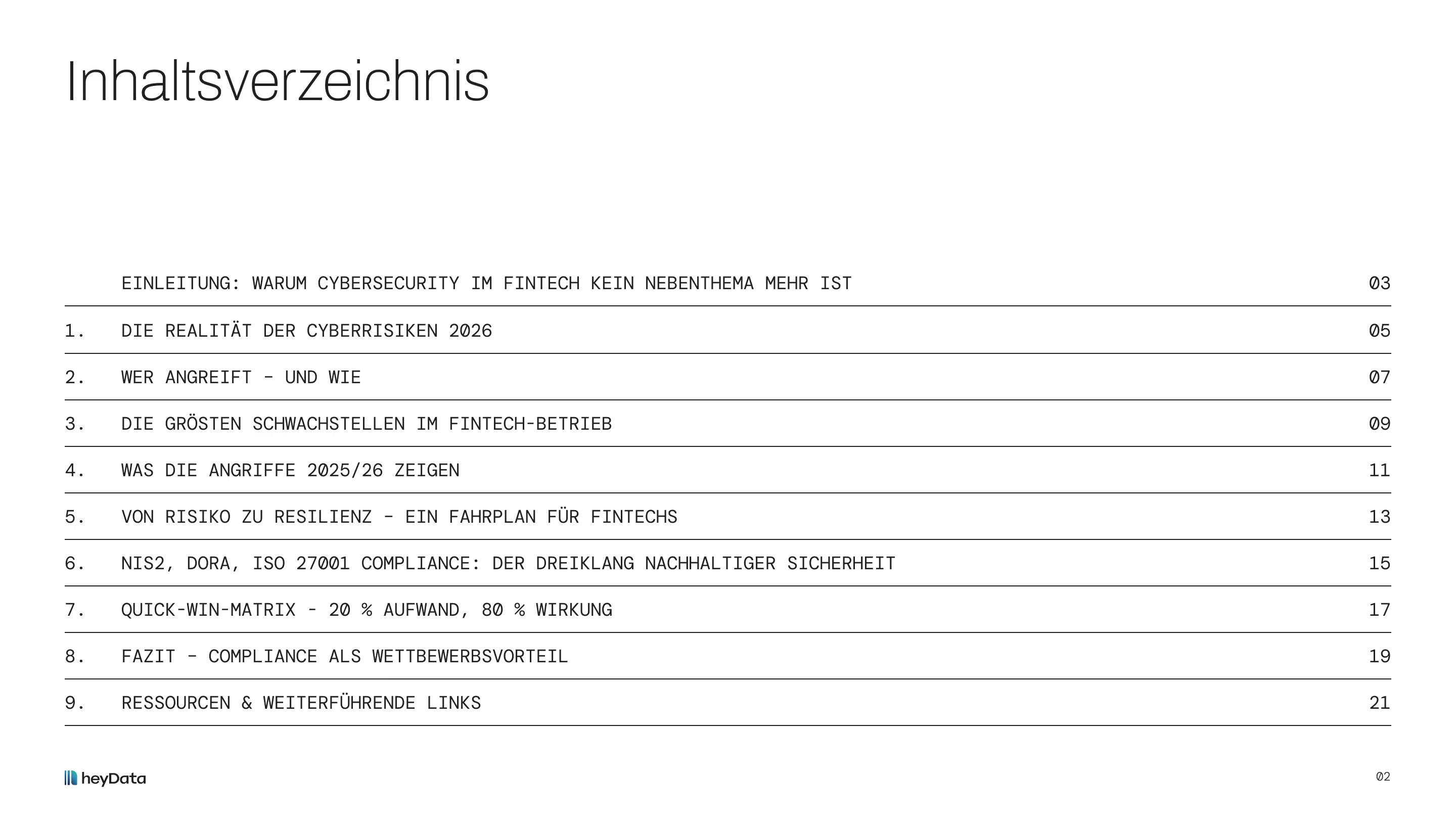
- Chapter 1: The Reality of Cyber Risks in 2026 — Current attack patterns, ransomware-as-a-service, API attacks, phishing, and DDoS
- Chapter 2: Who Attacks — and How — Cybercrime networks, financial fraudsters, hacktivists, insiders, and typical attack chains
- Chapter 3: The Biggest Vulnerabilities in FinTech Operations — Missing responsibilities, untested emergency plans, third-party risks, API security, and security culture
- Chapter 4: What the 2025/26 Attacks Reveal — Why dynamic risks, documentation requirements, and automation set new priorities
- Chapter 5: From Risk to Resilience — A roadmap for technical, organizational, and cultural resilience
- Chapter 6: DORA, NIS2, and ISO 27001 — How regulatory requirements and information security management work together
- Chapter 7: Quick-Win Matrix — Measures with high impact and manageable implementation effort
- Chapter 8: Compliance as a Competitive Advantage — A concrete 90-day plan for greater cyber resilience
"Cyber resilience protects more than systems and data. It protects trust, market position, and the future viability of your FinTech."
Who Is This Whitepaper For?
This guide is aimed at managing directors, founders, CISOs, IT leads, risk managers, and compliance officers in FinTechs, payment service providers, crypto companies, and technology-driven financial service providers.
The whitepaper is especially helpful for companies looking to professionalize their security structures, implement DORA or NIS2 requirements, or build an information security management system in line with ISO 27001.
The content connects regulatory requirements with concrete measures for day-to-day operations — from API security and vendor management to incident response and awareness trainings.

Download the Full Guide Now
22 pages of practical insights on cyber risks, DORA, NIS2, and ISO 27001 — including a quick-win matrix and a 90-day plan for greater cyber resilience.

Conclusion
Cyberattacks can't be prevented entirely. What matters is how well your FinTech is prepared to detect risks early, contain incidents, and restore business operations quickly.
This takes more than isolated technical solutions. Clear responsibilities, tested emergency plans, secure APIs, controlled service providers, and a lived security culture all have to work together. DORA and NIS2 set the regulatory framework, while ISO 27001 provides the structure for systematic information security management.
The first steps are manageable: start a gap analysis, define reporting chains, test MFA and backups, improve API security, and train employees regularly. If you build cyber resilience in a structured way today, you'll gain trust, efficiency, and a clear competitive advantage tomorrow.