Why Cyber Resilience Is Now Critical for SaaS Companies
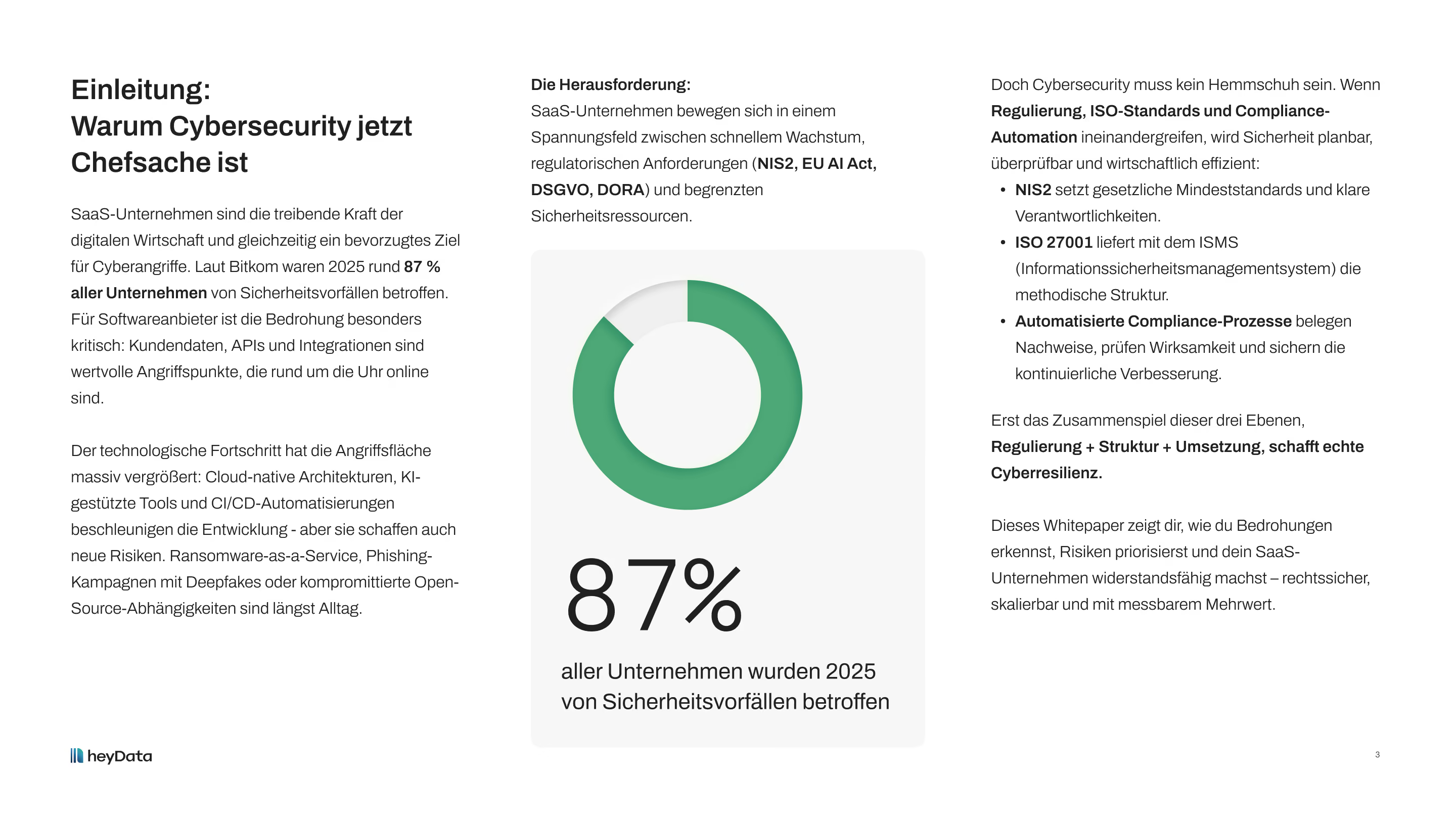
SaaS companies form the backbone of many digital business processes. That's exactly what makes them attractive targets: they process sensitive customer data, connect numerous systems via APIs, and deliver their services around the clock through cloud infrastructure. A successful attack therefore often affects not only the provider itself but also its customers and partners.
At the same time, the attack surface keeps growing. Cloud-native architectures, CI/CD pipelines, open-source components, and AI-powered tools accelerate product development, but they also create new dependencies and potential vulnerabilities. Ransomware-as-a-service, compromised credentials, flawed tenant isolation, and manipulated software supply chains have long been realistic risks in everyday SaaS operations.
Technology alone isn't enough. Many security incidents stem from unclear responsibilities, untested backups, missing training, or poorly controlled cloud configurations. Sustainable cyber resilience therefore combines technical safeguards with clear processes, a lived security culture, and auditable compliance evidence.
What This Whitepaper Covers
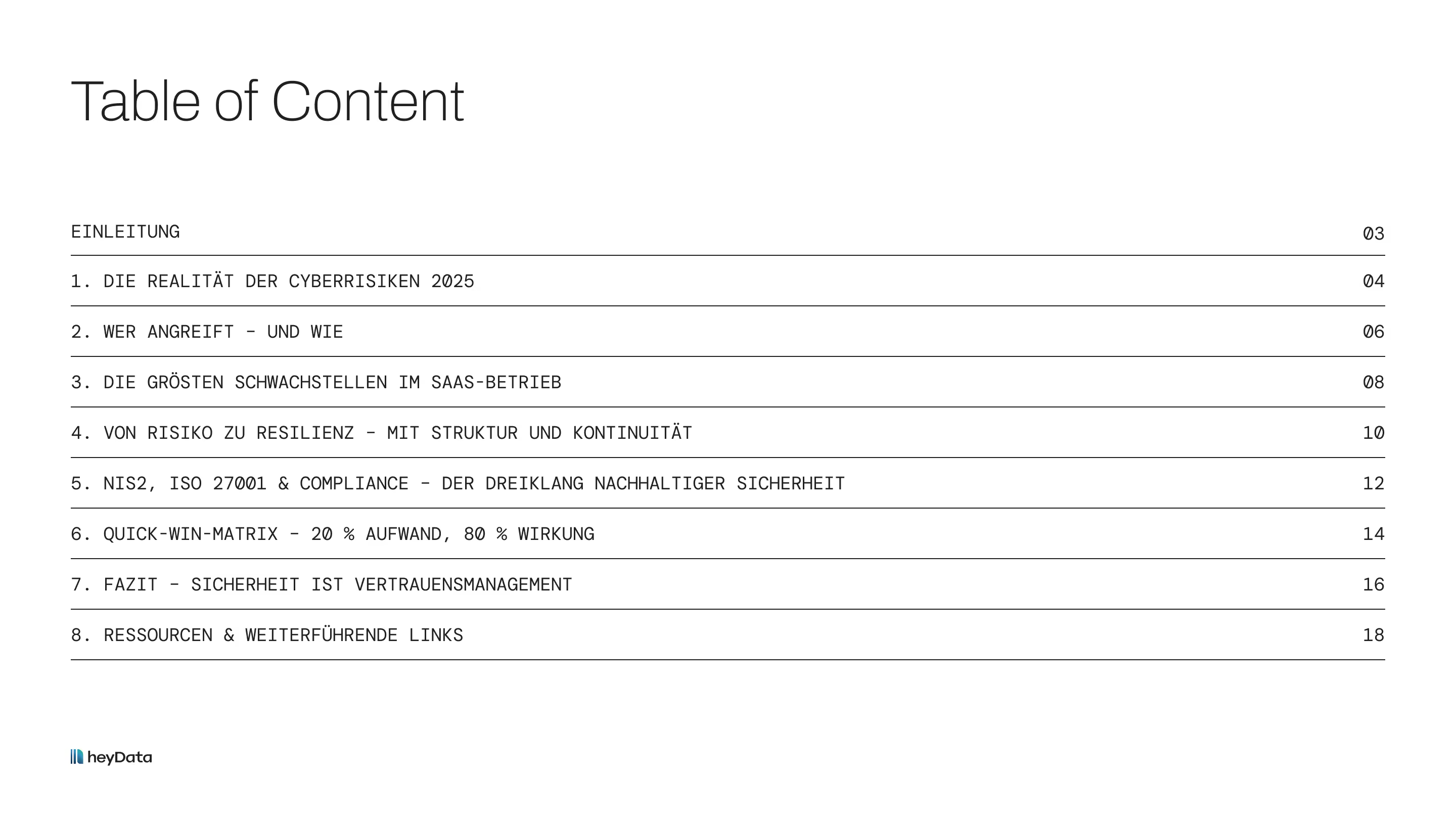
- Chapter 1: The Reality of Cyber Risks — The ten most important SaaS-specific threats, including ransomware, OAuth abuse, supply chain attacks, and cloud misconfigurations
- Chapter 2: Who Attacks — and How — Cybercrime-as-a-service, hacktivism, industrial espionage, insiders, and the typical attack chain in SaaS environments
- Chapter 3: The Biggest Vulnerabilities in SaaS Operations — Unclear responsibilities, missing security culture, untested backups, shadow SaaS, and outdated systems
- Chapter 4: From Risk to Resilience — How technical, organizational, and cultural resilience work together
- Chapter 5: NIS2, ISO 27001, and Compliance — How legal obligations, a structured ISMS, and automated evidence create a resilient security organization
- Chapter 6: Quick-Win Matrix — High-impact measures with low to medium effort, including MFA, backup tests, and automated monitoring
- Chapter 7: Security as Trust Management — Why cyber resilience is the foundation for growth, customer loyalty, and scalability
- Chapter 8: Further Resources — Relevant standards, threat reports, and regulatory foundations for further implementation
"Security isn't a piece of software, it's a process. And that process must be verifiable."
Who Is This Whitepaper For?
This guide is aimed at managing directors, founders, CTOs, CISOs, IT leads, DevSecOps teams, compliance officers, and data protection officers at SaaS companies.
The whitepaper is particularly relevant for providers that process sensitive customer data, rely on many cloud services and integrations, or want to professionalize their security organization for larger enterprise customers.
Companies preparing for NIS2, ISO 27001, security questionnaires, or larger tenders will also get a practical overview of which measures to implement first and how to organize evidence efficiently.

Download the Complete Cyber Resilience Guide
20 pages of practical insights on SaaS risks, attack chains, NIS2, ISO 27001, and effective quick wins — including concrete measures for technology, organization, and security culture.

Conclusion
Cyber resilience doesn't mean preventing every attack entirely. What matters is that your SaaS company detects attacks early, limits damage, and restores critical services quickly.
The foundation consists of clear responsibilities, strong identity and access controls, tested backups, and continuous monitoring of your cloud environment. Regular training and a company culture in which security incidents are reported openly and handled in a structured way are just as important.
NIS2 defines the legal minimum requirements and responsibilities. ISO 27001 provides the methodical structure for an information security management system. Automated compliance processes ensure that measures aren't just implemented but are documented and verifiable at any time.
Getting started doesn't have to be complicated: enable MFA and SSO, run recovery tests, and clarify responsibilities. Building cyber resilience in a structured way not only protects your systems and data but also strengthens customer trust, sales readiness, and the long-term scalability of your SaaS business.