Why Data Protection Affects Every Company
As soon as a company processes personal data, the GDPR applies. That includes more than just names, email addresses, or phone numbers. Technical data, applicant information, customer data, and internal HR data can also be protected.
Company size fundamentally doesn't matter. Data protection applies to solo self-employed professionals just as much as to mid-sized businesses and international corporations. Responsibility lies with management, which must ensure that processes, safeguards, and mandatory documents aren't just created once but maintained on an ongoing basis.
Setting up the basics early and in a structured way reduces risks, saves time during audits, and builds trust with customers, employees, and business partners.
What This Whitepaper Covers
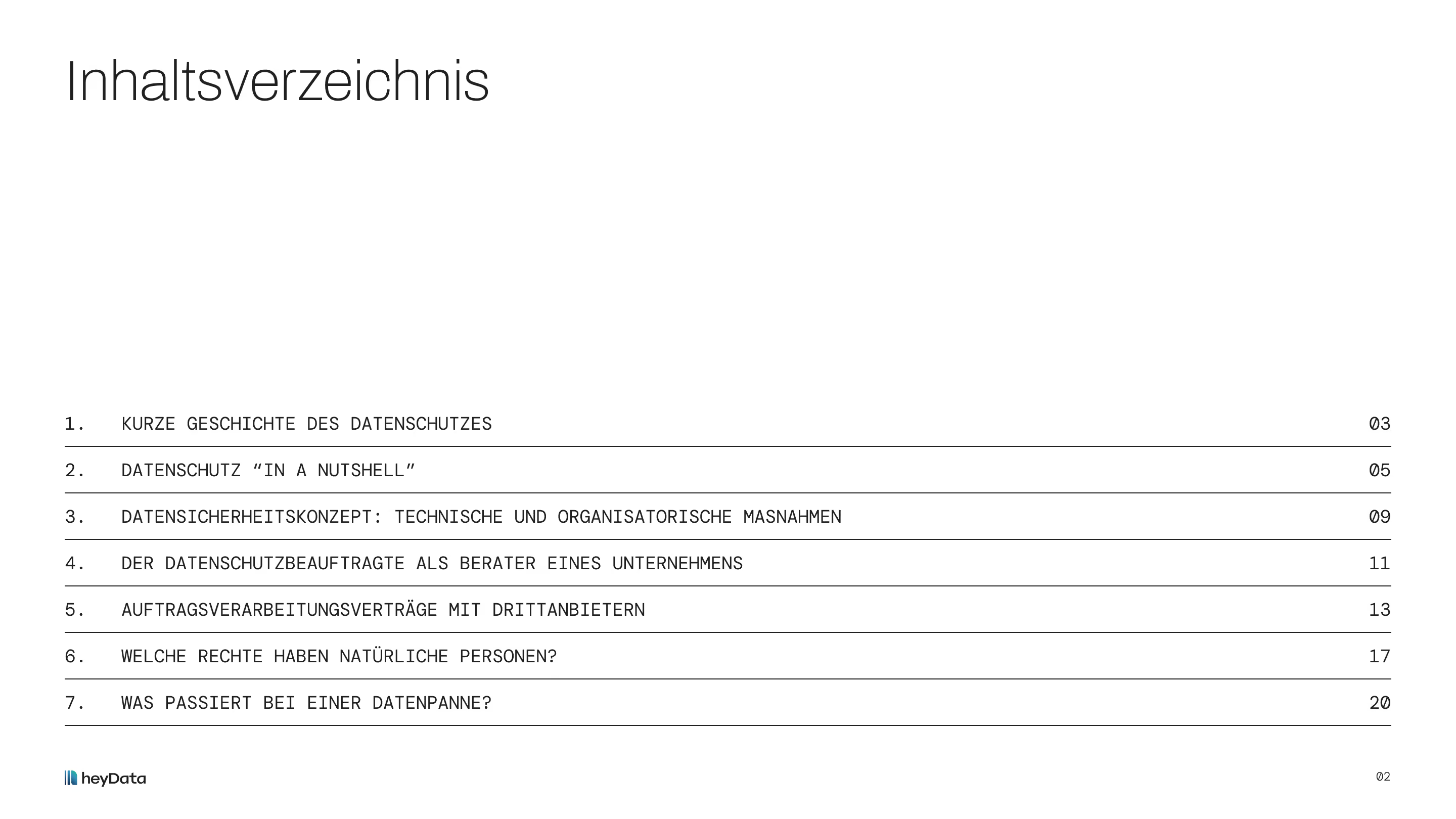
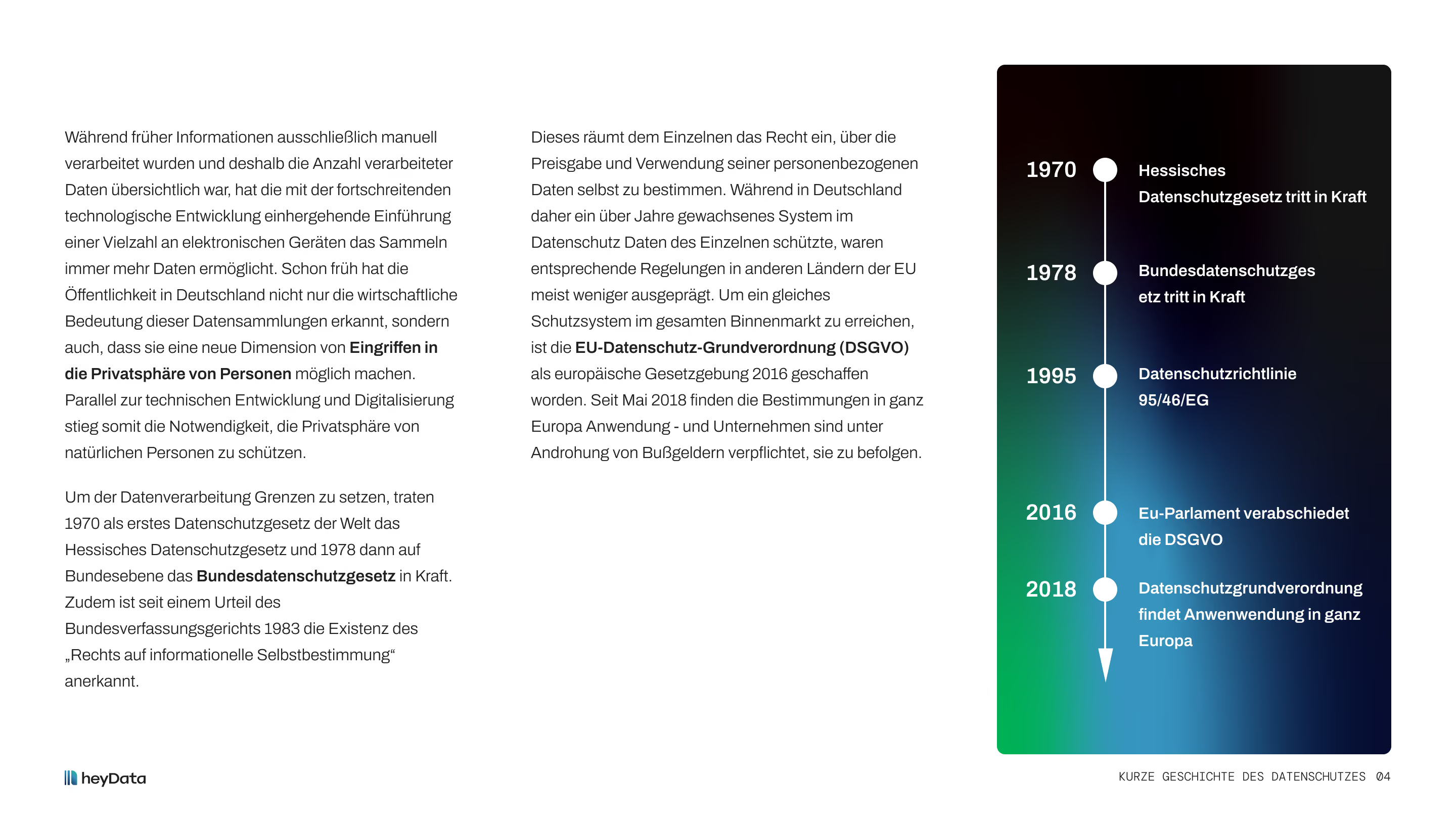
- Chapter 1: The History of Data Protection — From the first data protection law to the GDPR, which applies across Europe
- Chapter 2: Data Protection in a Nutshell — Personal data, legal bases, responsibilities, and mandatory documentation
- Chapter 3: Technical and Organizational Measures — How companies protect data appropriately and document their security measures
- Chapter 4: The Data Protection Officer — Tasks, requirements, and differences between internal and external DPOs
- Chapter 5: Data Processing with Third-Party Providers — When a Data Processing Agreement is required and what to look out for
- Chapter 6: Data Subject Rights — Access, data portability, erasure, and the right way to handle requests
- Chapter 7: Handling Data Breaches Correctly — Internal reporting channels, risk assessment, and the 72-hour deadline
"Good data protection doesn't start with complicated legal texts — it starts with clear responsibilities, transparent processes, and clean documentation."
Who Is This Whitepaper For?
This guide is aimed at managing directors, founders, HR managers, operations teams, and employees with data protection responsibilities who want a clear overview of the most important GDPR requirements.
It's particularly suited to companies that are building their data protection organization from scratch, reviewing existing processes, or clarifying common uncertainties around mandatory documents, service providers, and data subject rights.
No legal background is required. The most important terms and obligations are explained in a practical way, without unnecessary jargon.

Download the Complete Beginner's Guide Now
22 pages of foundational knowledge on GDPR, mandatory documents, technical and organizational measures, data protection officers, and data breaches.

Conclusion
Data protection isn't a one-time task that's finished once you publish a privacy policy. Companies need to know which data they process, on what legal basis, and how that data is protected.
This includes an up-to-date Record of Processing Activities, documented technical and organizational measures, clear rules for external service providers, and working processes for data subject requests and data breaches.
It's especially important that responsibilities are clearly defined. Employees need to know who to contact with questions or incidents, and management needs a reliable overview of the state of compliance. Organizing data protection in a structured way not only reduces risks but also creates a solid foundation for secure, trusting business relationships.