Why the nFADP Matters for Companies
The revised Swiss Federal Act on Data Protection has been in force since September 1, 2023. It modernizes Swiss data protection for a digital economy in which cloud services, artificial intelligence, extensive data sets, and international business relationships are part of everyday life.
For companies, this means knowing which personal data they process, where it's stored, for what purpose it's used, and which risks arise from it. At the same time, they need appropriate technical and organizational measures, transparent information, and working processes for data subject requests.
Implementing these requirements properly doesn't just avoid regulatory risks. Transparent data protection builds trust with customers and partners and can become a visible mark of quality — especially for Swiss companies that want to demonstrate precision and reliability in data processing, too.
What This Whitepaper Covers
- Introduction to the nFADP — Why the new Swiss data protection law matters for the digital economy
- Data Mapping — How to make data types, storage locations, processing purposes, and data flows visible
- Risk Assessment — How to identify and prioritize data protection risks and derive suitable measures
- Data Protection Impact Assessments and Audits — When in-depth reviews make sense and how to spot gaps early
- Data Portability — How to prepare data exports and requests technically and organizationally
- nFADP Checklist — Practical measures for consent, data minimization, and documentation
- Information Security — Encryption, multi-factor authentication, regular audits, and employee training
- The nFADP and GDPR — How Swiss companies combine national and European data protection requirements
- Sustainable Compliance Structures — Data protection policies, training, and digital solutions for ongoing implementation
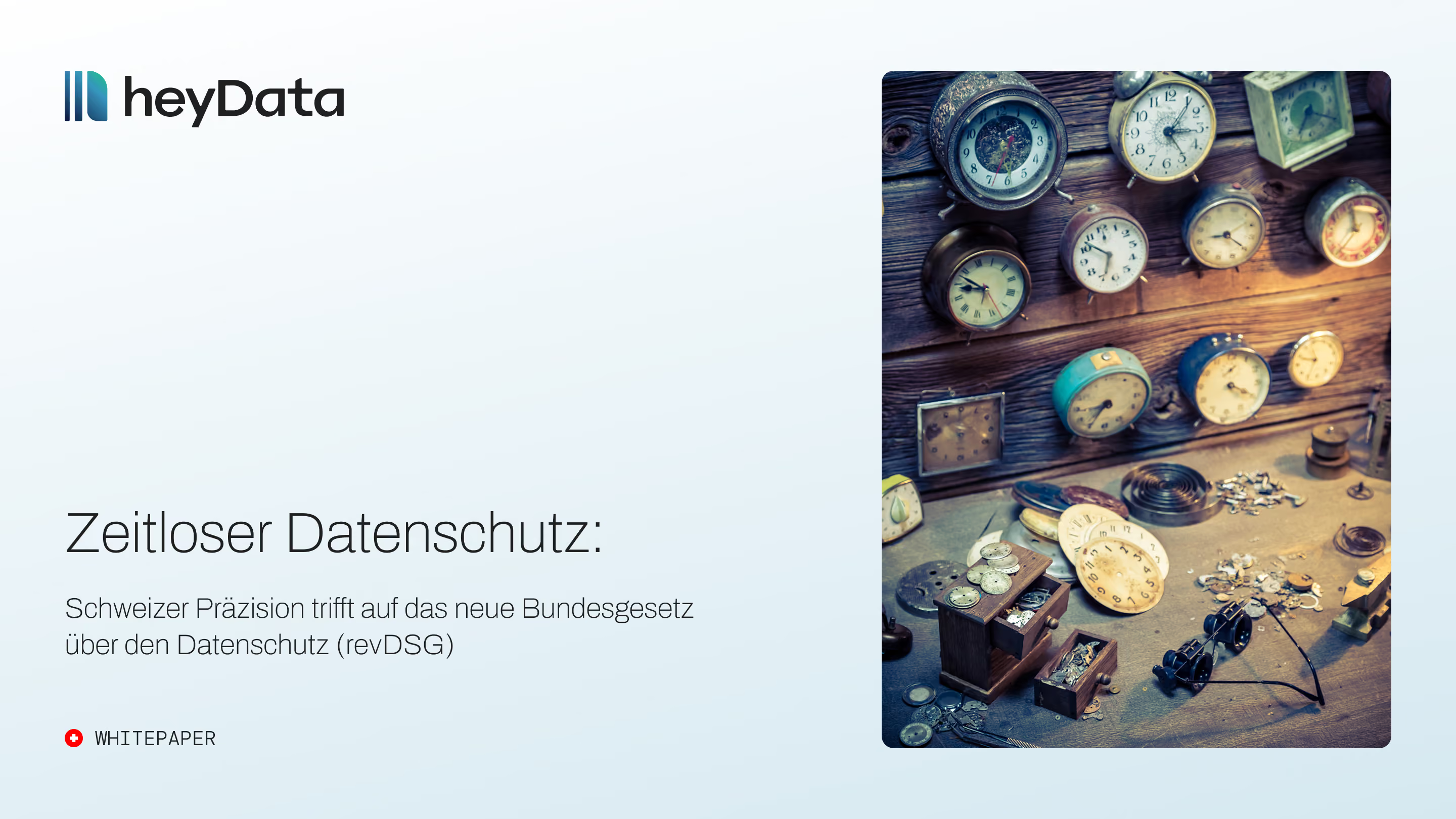
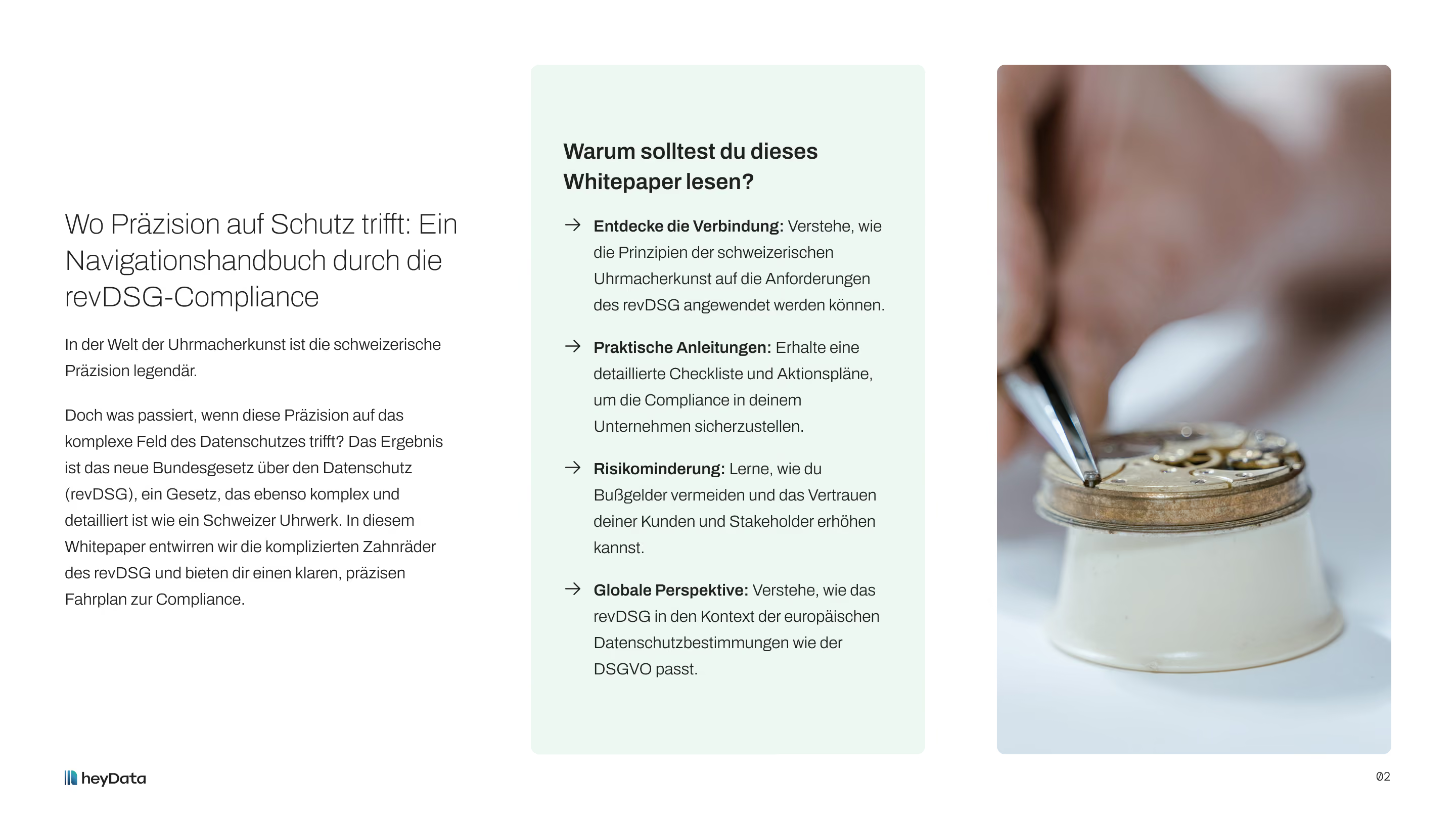
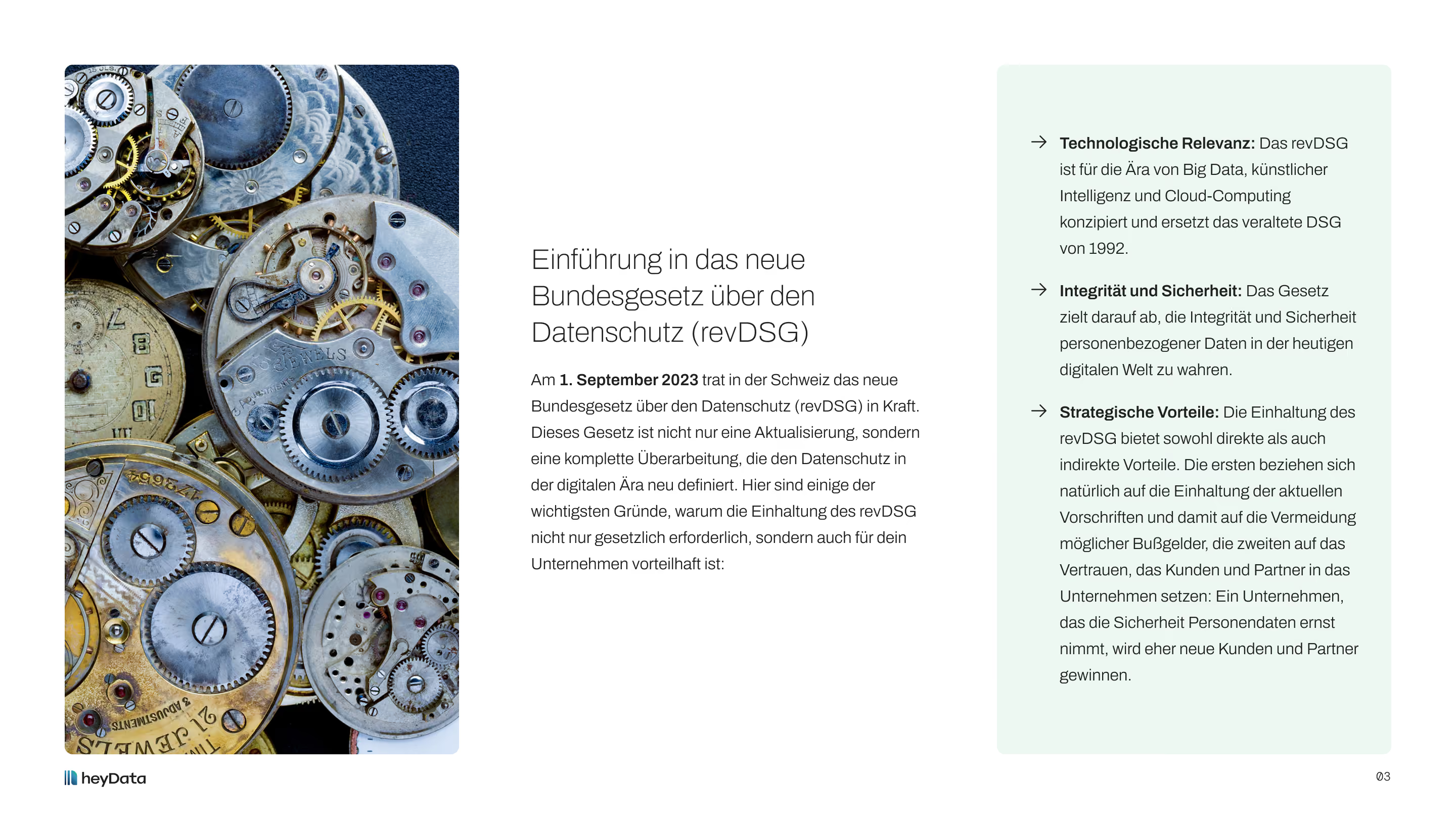
"Good data protection works like a precision clockwork: every measure meshes with the next, responsibilities are clear, and risks are spotted in time."
Who Is This Whitepaper For?
This guide is aimed at managing directors, data protection officers, compliance teams, IT leads, and operations managers at Swiss companies that want to implement the nFADP in a structured way or review existing data protection processes.
The whitepaper is particularly relevant for organizations that use cloud services, process extensive customer or HR data, adopt new technologies, or operate across borders.
Companies that are also subject to the GDPR get a clear overview of how to combine Swiss and European requirements in a single, unified data protection organization.

Download the Complete nFADP Guide Now
17 pages of practical insights with data mapping, risk assessment, security measures, and concrete checklists for your nFADP compliance.

Conclusion
nFADP compliance isn't a one-off project. Data protection processes need to be reviewed regularly, adapted to new systems, and actively lived within the company.
The first step is transparency: companies need to know their data flows and understand which personal data they process and for what purpose. Building on this, they can assess risks, prioritize security measures, and develop clear policies for consent, erasure, transfer, and access.
Regular audits and training ensure that processes don't just exist on paper but work in day-to-day operations. A central compliance solution can help keep tasks, evidence, and documents permanently in view. Organizing data protection with Swiss precision reduces risks and turns trust into a real competitive advantage.